TRANSIENT
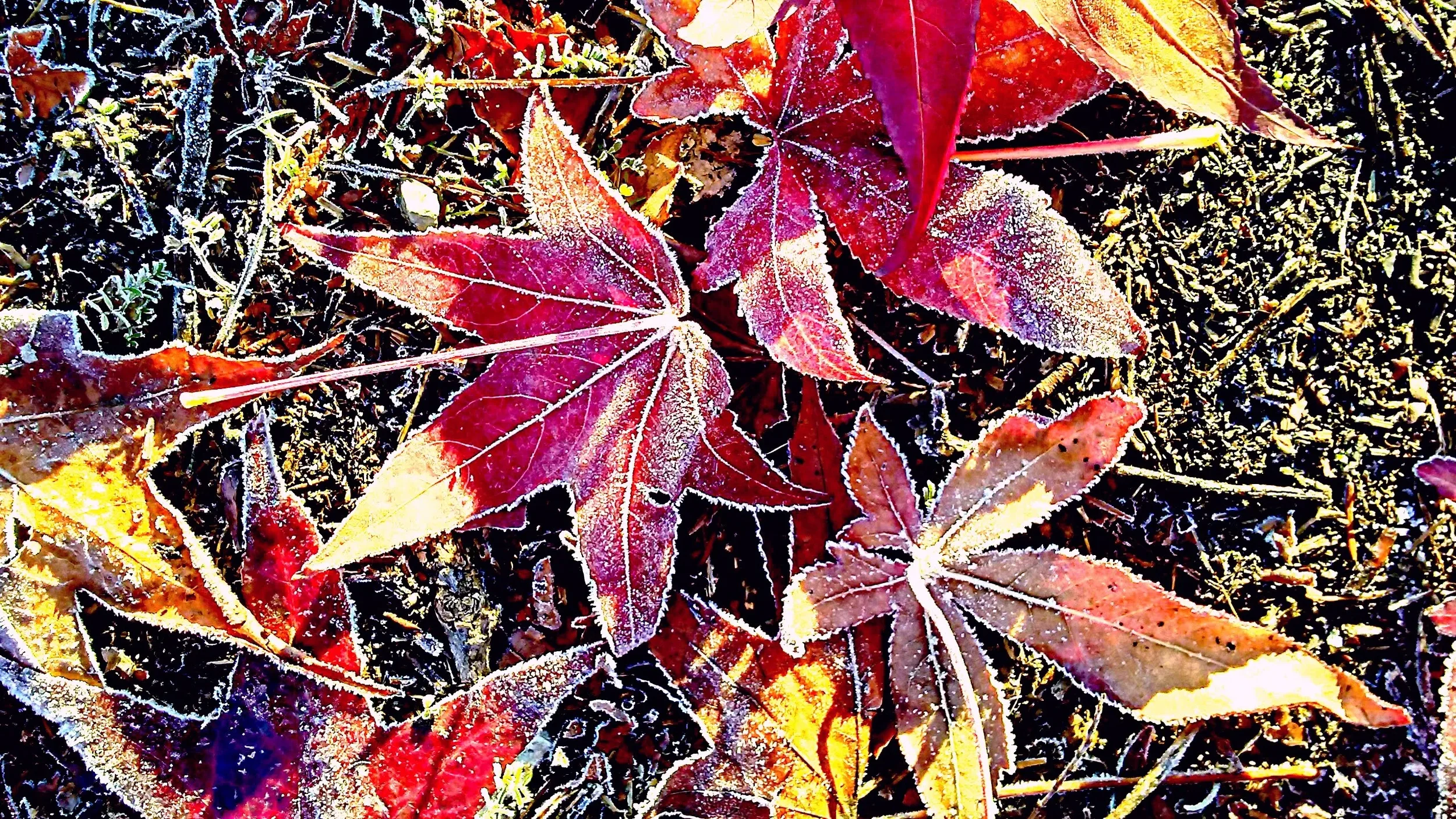
"transitory stasis" by Obscure Nonspecifics.
There’s a weight on my shoulders every time I walk through my college city. It’s there during rushed mornings and slow nights, whether I’m alone or with friends. The end of my time here, still over a year away, already presses in on me, heavy and insistent.
Right before I enter campus, I pass under a bridge. It is nothing extraordinary; in fact, at night, it’s much less than appealing with suspicious smells lingering in the air. But just beyond it is an intersection that opens onto dorms and academic buildings, their windows glowing against the dark. The computer science building rises above the brownstones turned makeshift dorms, all glass and light, while trees swallow every streetlamp but one. In autumn, a single tree turns bright red, practically luminous. That’s how I know I’m close. Close to my dorm. Close to warmth and a break from the harsh winds.
I walk this route every day. It’s nothing special, but it has become a quiet marker of home. I call it home, though I’ve always known it isn’t permanent.
When I first arrived, I didn’t feel that way. I hated this city. It was colder than I expected, wetter, harsher. Snow melted into ice that punished a single wrong step. Each autumn reminded me that I wasn’t sure I belonged here, that this place didn’t look like the version of college I had imagined.
Then, slowly, I built a life.
A cafe job that filled my free periods. Friends who turned into constants, who show up at my door for card games to get us through rainy nights. A dorm room arranged just so, every detail chosen by me because it was finally mine. Somewhere along the way, I became a version of myself shaped by independence. The city didn’t change. I did.
Now, it feels impossible to separate the two. This place has become a symbol of who I’ve grown into and graduation, even from a distance, feels like a countdown to losing it.
I know what comes next, at least in theory. After college, I’ll either move back home or, if I’m lucky, find a job in a bigger city. These walks—past buildings I may never see again except for visits and weddings—feel meaningful precisely because they’re temporary. This—the city, classes, acquaintances, life—was never meant to be permanent. It was meant to send me somewhere else.
Knowing I was never meant to stay doesn’t make leaving easier. It just forces me to pay attention. When you live somewhere with an ending built in, you start to notice how much of its meaning comes from that fact.
I don’t want to be frozen in this moment forever. I want to become more than a student rushing to class or picking up cafe shifts to pay loans and afford movie tickets. This chapter was never meant to last. Still, that doesn’t make it easier to let go of what I’ve built: a community, a sense of self I once only imagined having.
There’s a saying that good things never last. I think they’re good because they don’t last. Imagine a roller coaster that never stops—drop after drop, turn after turn. Eventually, the thrill gives way to exhaustion. Endings give shape to joy.
Like a wedding. Or a play. They matter because they end. They are rituals of closure.
When I imagine life after college, I see multiple futures. A job where I get to write and create. A new community adding to the friendships already made. Or maybe I stumble. Maybe I'll move back “home,” to a place where I feel 12 years old the moment I arrive. Everything feels like a loop rather than a path forward. Perhaps it’s because I never found my place in the world there, or maybe it’s the result of simply growing up and growing out of what I used to know. Although these possible realities are over a year away, the anticipatory weight of it is heavy.
Still, every turning point leads somewhere. Once I pass that lone lamppost, the trees thin, and the rest of the streetlights come into view, one by one, guiding me ahead. Always forward.
There are countless versions of life waiting to be built. Each one matters not just because of who we become within it, but because it will disappear. No moment ever repeats itself exactly, no matter how desperately we try to recreate it.
Maybe that’s why these walks feel so heavy. Not because something is ending—but because I’m learning how to honor it while it’s still here.